

I got 70 injections of Rejuran: the viral Korean salmon sperm treatment
After 3 hours at the skin clinic in Seoul, what was worth it and what wasn't. Plus, should you try PDRN topicals?

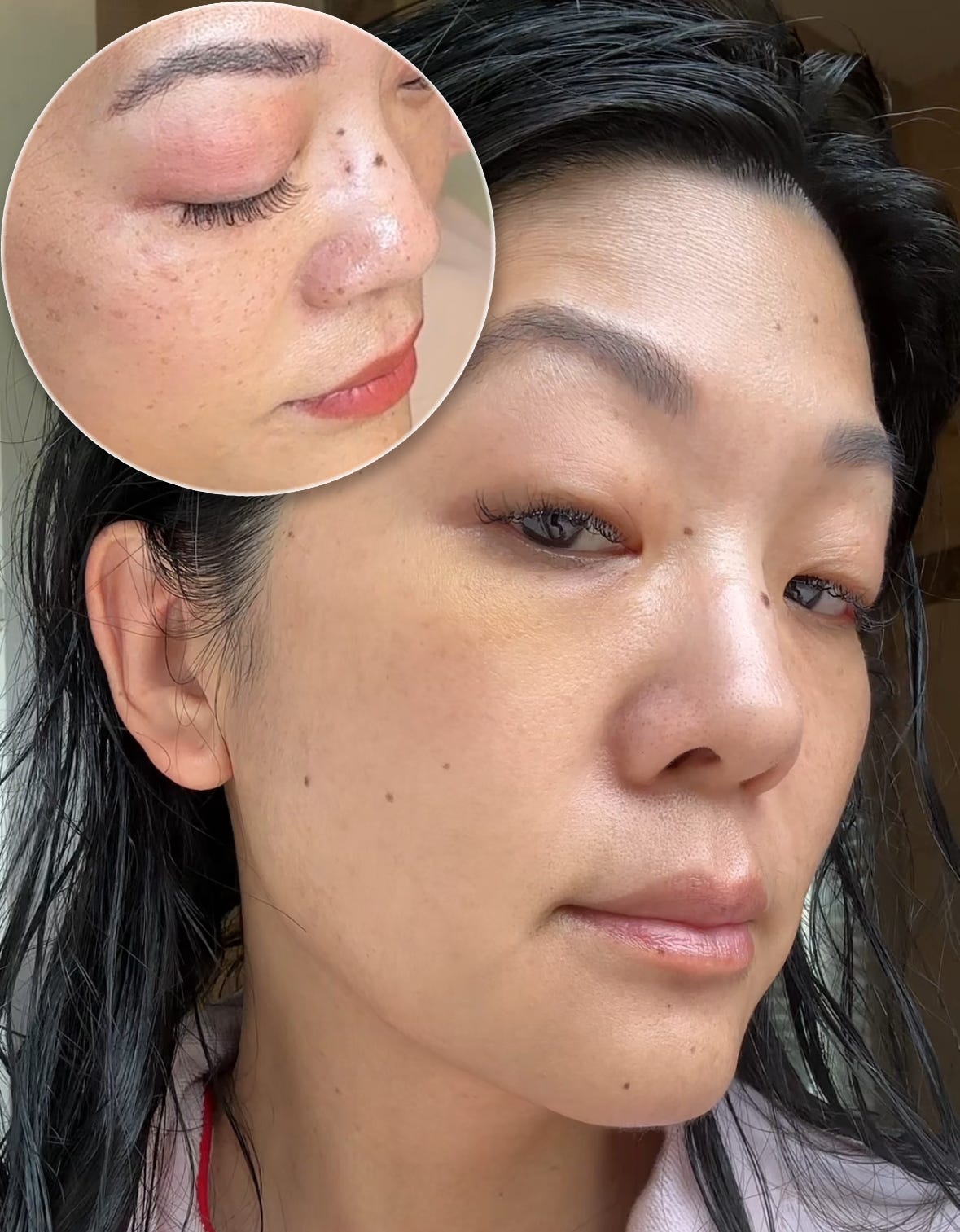
This summer, I spent a week in Seoul. Highly recommend going if you’ve never been. The food! The sights! The shopping! And, of course, Korea has become a major beauty and aesthetics hotspot in recent years. Out of every treatment and service I could possibly test-drive (I also did LED lash extensions, a wild custom mani, a haircut, facial, personal color analysis, and more), the one I really wanted to try the most was Rejuran, aka PDRN.
I did a lot of research beforehand—both reading and asking around—and have never come across another treatment that was so polarized: people either said it didn’t hurt at all or it felt like “hot death.” Which one was it? My colleague Lisa got it a few days before my appointment and said it wasn’t bad. Her provider delivers it via machine (a tool with multiple needles) while I was going to a clinic that does individual manual injections with a syringe. Not apples to apples. But I logged it as an additional data point.
Meh, I thought. Even if it hurt, I could handle it. After all, I did in-office microneedling without numbing cream. I’ve gone through childbirth three times! I fancy myself as a person with a high threshold for pain and my curiosity was piqued. There was no way I was leaving Korea without trying this.
Spoiler alert: it was intense.
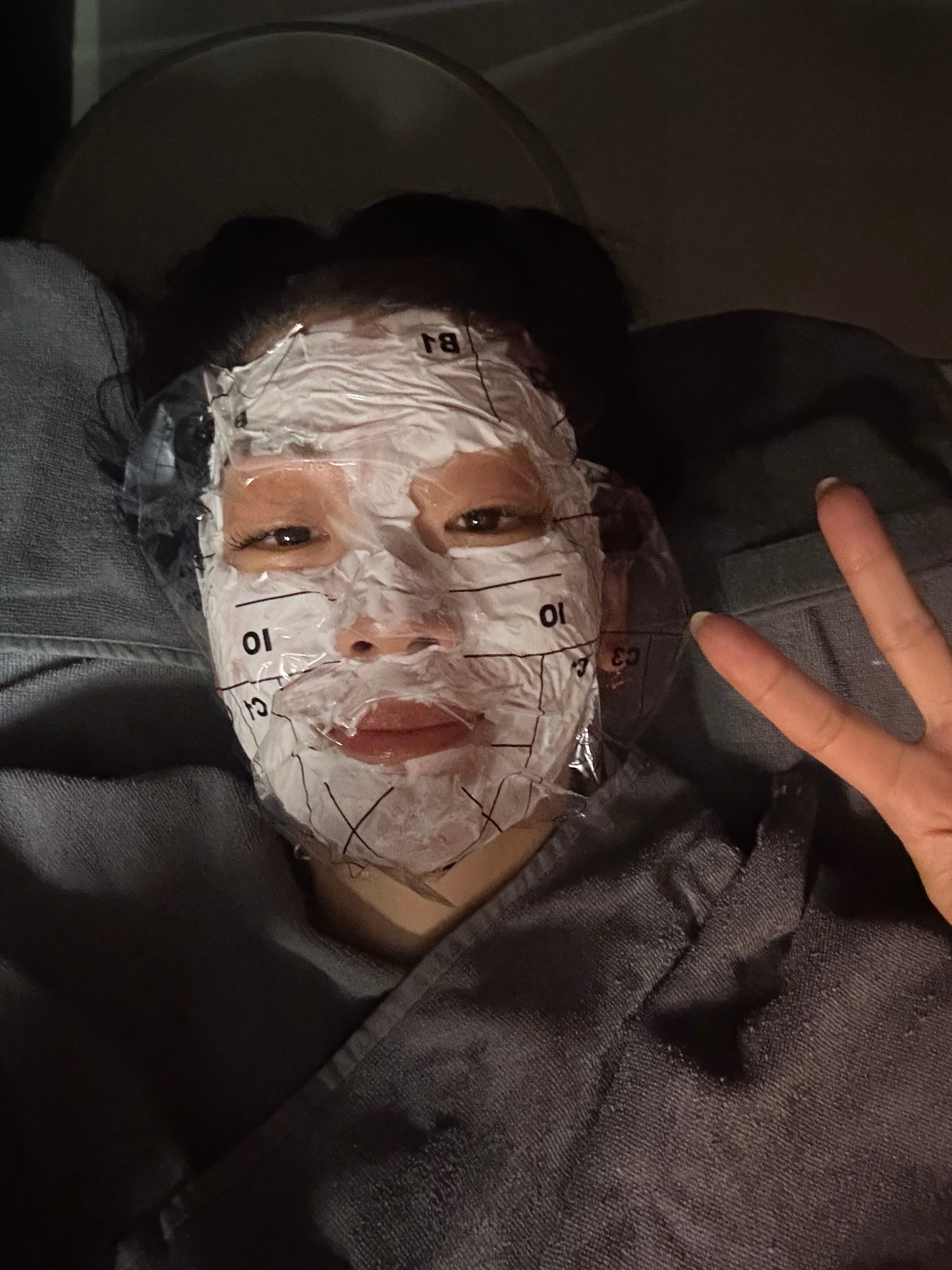
Okay, first off: what is Rejuran and PDRN? Rejuran is a brand-name for a pro and consumer treatment, while PDRN is the ingredient derived from salmon DNA. The so-called “salmon sperm facial” has become increasingly buzzy in South Korea over the past few years and devotees claim it’s incredible for glow, texture and accentuating that glass skin look. It’s popular in Korea but not legal to inject Rejuran in the U.S. yet — although some American providers do offer it as a topical booster over treatments like microneedling or laser.
I was fortunate to be in Korea with my friend and colleague, Sarah Chung Park, CEO/founder of Landing International and K-Beauty World. Sarah grew up in Korea and has been living there all year. The idea of finding and vetting a good skin clinic in Seoul by myself would be daunting. But Sarah opened up her trusted network of providers. She’s been seeing Dr. Park at Zell Skin Clinic for many years and loved how:
he’s a doctor and does all of the treatments himself (some other clinics have a doctor do the consultation but the services are done by non-doctors)
he has the patient’s best interest at heart and doesn’t try to upsell you on services you may not need. Clinics in Korea range from highly reputable to what locals call “factory clinics”—assembly-line style, where the person doing your consult may not be the one doing your treatment. There are also “foreigner-friendly” clinics that speak English, which can be helpful—but some take advantage of tourists.
Sarah is a wealth of information about all things K-Beauty. She had tried PDRN long before anyone in the U.S. was talking about it. And she gave excellent guidance about what to expect.
RELATED: Liquid Microneedling: My Favorite New Skin Care Treatment
Although I had a short list of must-trys at Zell, she said to keep an open mind—that Dr. Park would have his recommendations after assessing my skin and those might not align exactly with the treatments I had been eyeing.
The Consultation
Sarah kindly joined me for the consultation. Even though Dr. Park speaks English, she wanted to make sure nothing got lost in translation. He agreed that I could benefit from Rejuran and also recommended a trio of lasers (Pico, Pento755GCD, and Excel-V), Juvelook, Ulthera (a non-invasive skin-tightening treatment) and something called Density. In the end, because of time constraints, I chose to move forward with Rejuran, Juvelook and the lasers.
What to Know
Even with numbing cream, 70 injections is painful. By the time we got to the Rejuran, I had already had all three lasers and Juvelook, so my skin was raw and tender. The numbing cream had probably worn off a bit. The sensation? Exactly what you’d imagine: a needle puncturing your skin over and over in a grid across your face. At one point I had three people’s hands on me—the doctor injecting, two nurses pressing and wiping away tiny dots of blood.
The actual injections took only 10–15 minutes. But it really got my adrenaline pumping. Dr. Park pat me on the shoulder reassuringly when it was all done. “That was intense,” were all the words I could muster.
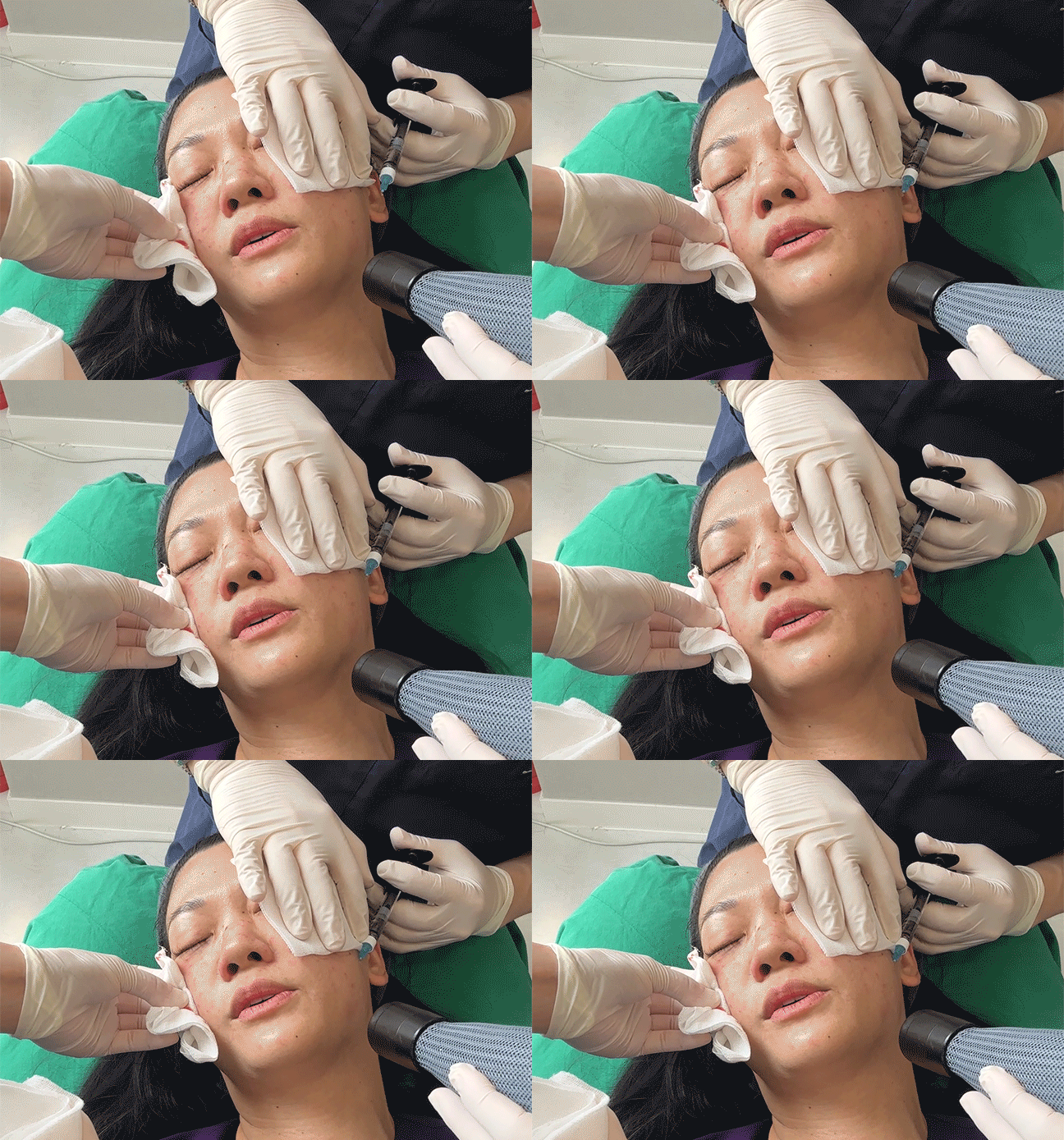
On my personal pain scale:
Lasers: 4/10. Every laser is different, based on the strength and depth. This trio was manageable. But for the uninitiated, the occasional spicy zing and burning smell can be a little unsettling.
Juvelook (with a cannula): 5/10
Rejuran: 8/10
RELATED: Some new K-Beauty faves!
2. Recovery is different for everyone.
I’ve seen other people get Rejuran and they look relatively normal again a few hours later. Some people barely swell. Not me.
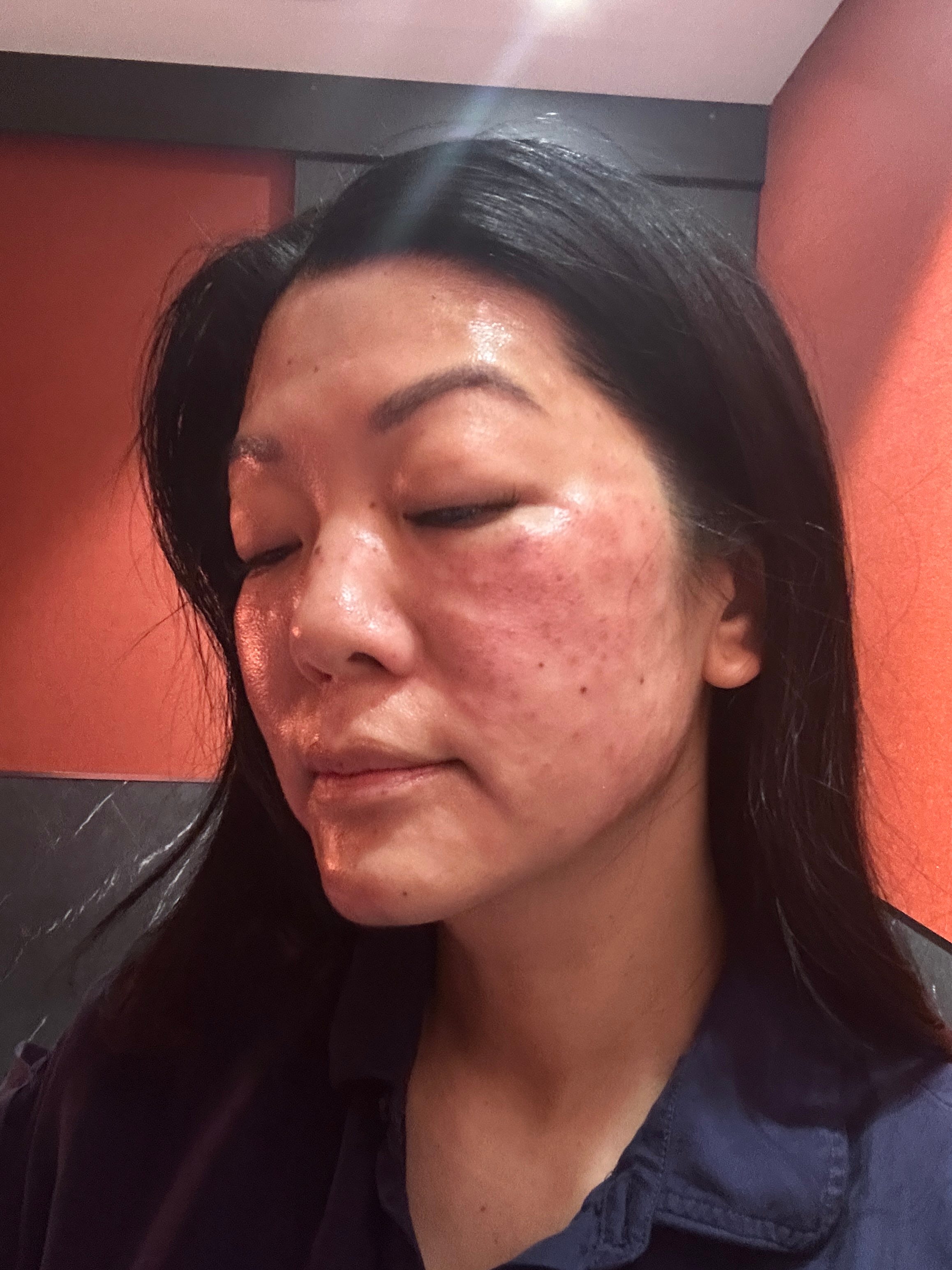
My face ballooned, and it took nine full days before I looked “normal” again. Days 1–4 were the hardest—I was puffy, spotty, and not exactly photo-ready.


The red dots were mostly caused by the lasers. Those scabs mostly sloughed off on their own after a week. I applied cold compresses a few times a day to reduce swelling. Not gonna lie though, after the swelling still remained after the first week, I did panic a little that I may have messed up my face.
By day 9, though? My skin was clearer, smoother, “poreless” in a way I’d never experienced. After the swelling subsided, my skin was plumper, glowier, and more even than I’d ever seen it. I didn’t need foundation. Almost all my dark spots and redness were gone (thanks mainly to the lasers, I think), and the Juvelook gave me subtle bounce.
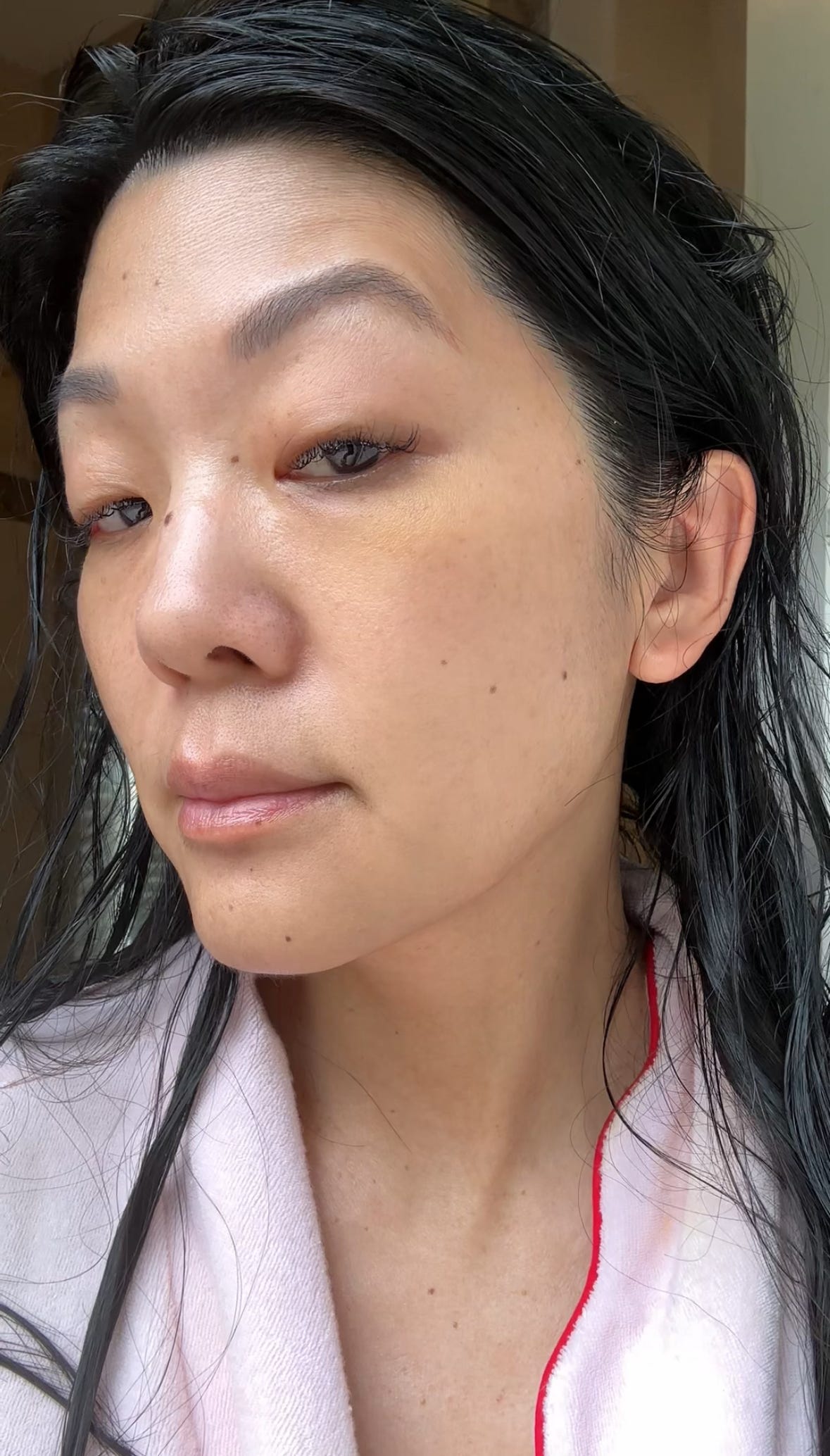
Would I do it again? Yes. But next time, I won’t stack treatments all in one session. It’ll also help me figure out which treatment is pulling the most weight.
Why are Americans flying to Korea for this?
Because Korea is always a step ahead. The consumer culture there demands constant innovation, and new tech debuts faster. Add to that: pricing. Treatments in Korea are often a fraction of what you’d pay in the U.S. And for people with hyperpigmentation-prone skin like mine, Korean doctors are pros—they’ve seen and treated thousands of patients with similar needs.
My advice if you’re considering it:
Do your research. Not all clinics are equal. Some TikTok-famous ones are basically sponsored ads for factory clinics. Ask friends in the know. There are also a growing number of reputable skin care concierges who will help you book your services.
Know your treatments. Go in to the skin clinic having some foundational knowledge of the treatments they offer. If the provider suggests certain treatments in your consultation and you need to make a quick decision, it’s good to have an idea of what they’re talking about.
Plan for downtime. Ideally, you’ll be one of those quick-to-heal people. But just in case, remember: swelling and redness are real. Don’t book a photoshoot the next day—or even the next 4 or 5 days.
Find a trusted guide. Having Sarah in Korea made all the difference.
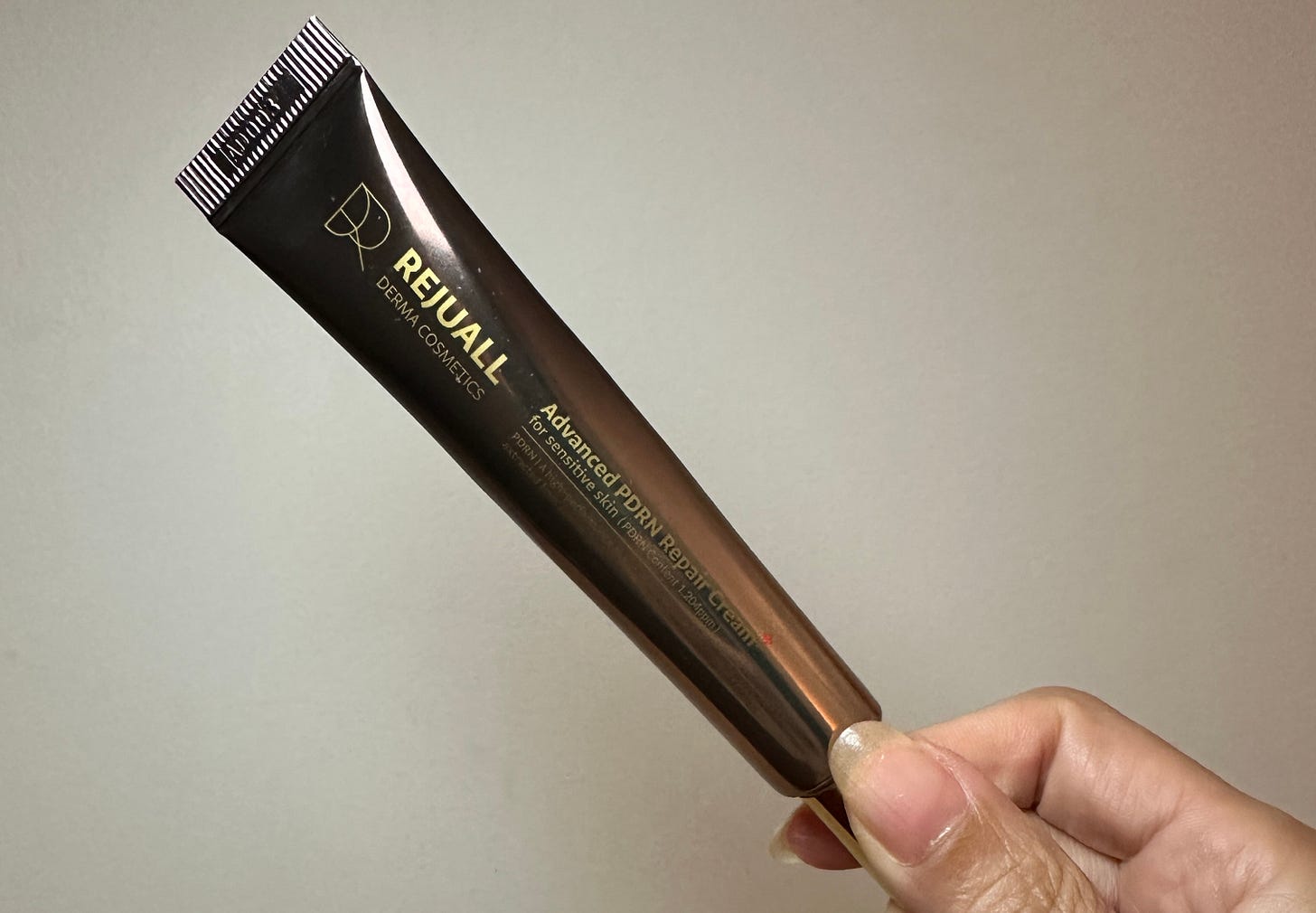
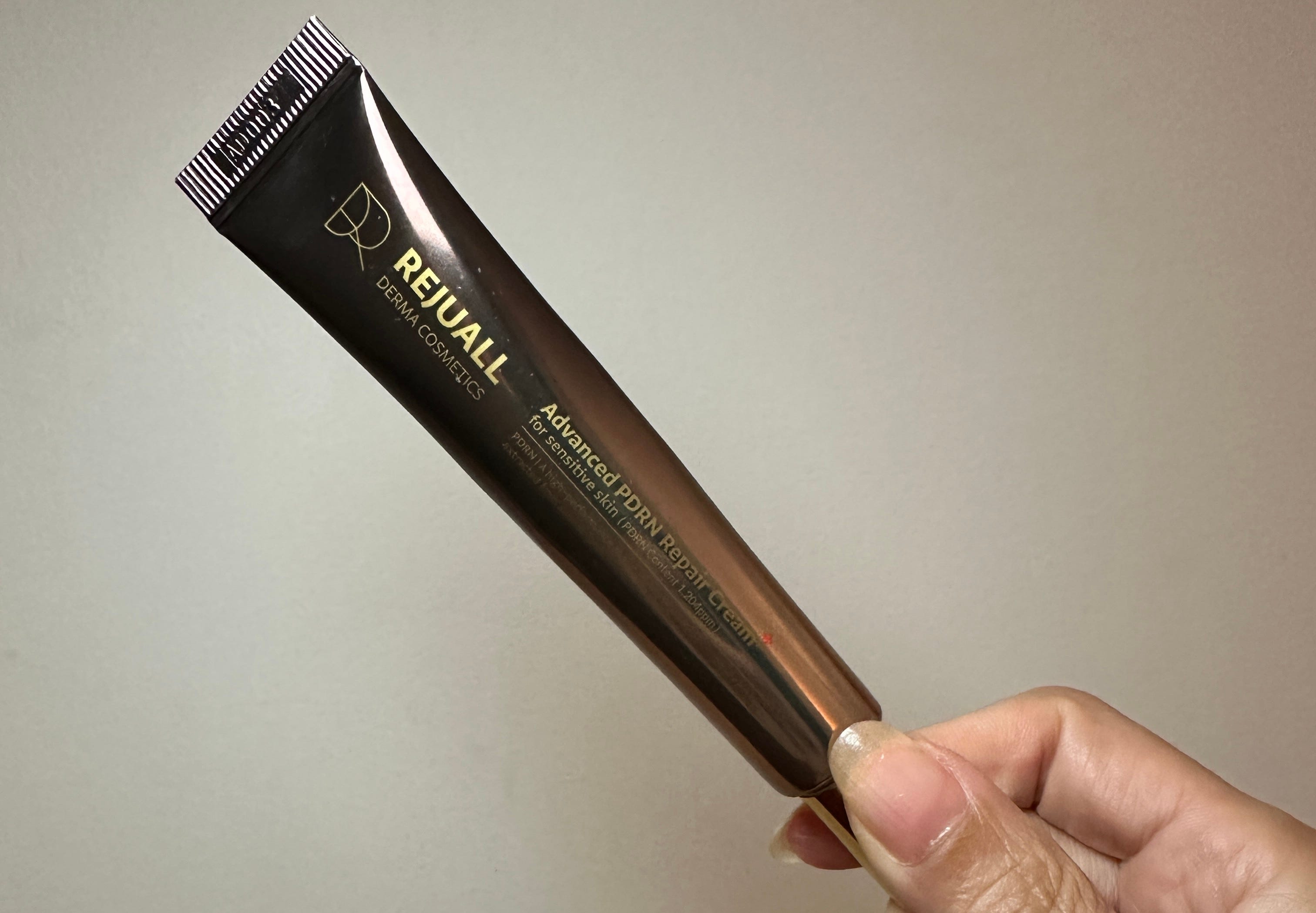
Try PDRN topicals. I got my hands on the consistently sold-out, pharmacy-grade topical Rejuall in Korea. I didn’t see a huge difference after using it but I think my expectations were too high. And I know other people who are obsessed with this stuff. So I’m going to give it another try soon. That being said, topical PDRN is starting to pop up in more creams, like Sungboon Editor’s Alaska Salmon PDRN cream. Think of it as a longer term ingredient that will help boost collagen and improve elasticity, rather than a magic bullet.

Higher Dose Red Light Hat

What’s on my mind…literally? I’m currently giving the Higher Dose Red Light Hat a spin. As you know, I’ve been working through hair loss for a few years. I’m still on a minoxidil regiment and taking supplements (like Vitamin D) but I figured it wouldn’t hurt to try this too. Red light therapy has been shown to increase blood flow to the scalp and reduce hair shedding in some studies. I’ll keep you posted if I see any results.
I’m From Mugwort Essence
I’ve been using the I’m From Rice Toner for a while but just recently tried their Mugwort Essence. I use a lot of different toners and essences (for brightening, soothing, hydrating, etc) but I have to say: my one makes my skin really happy. I’m a believer in skin flooding (meaning I layer a bunch of toners and essences on my skin before locking it all in with moisturizer). And this one has made a noticeable difference. Give it a try!
Loved this article! A trip to Korea for the food and beauty is on my list! Any recommendations on finding a skincare concierge service?
Based on other anecdotes, I think the pain level for Rejuran is dependent on the delivery method — all manual injections require a high pain threshold and many request laughing gas or equivalent to handle it. Numbing cream doesn’t appear to be enough for this level of pain. When injected via a microneedling-like device (like your friend, Lisa), it doesn’t go as deep into the dermis and also doesn’t cause as much pain, making it tolerable with just numbing cream.
Thank you for sharing your detailed experience! Was incredibly informative as I plan my next trip